
11Q O cassino mais confiável do Brasil, um operador certificado pela IBIA.⚡ - Understanding Today's Jueteng: More Than a Numbers Game
An exploration of Jueteng, an illegal numbers game in the Philippines, highlighting its cultural, socio-economic, and political dimensions.
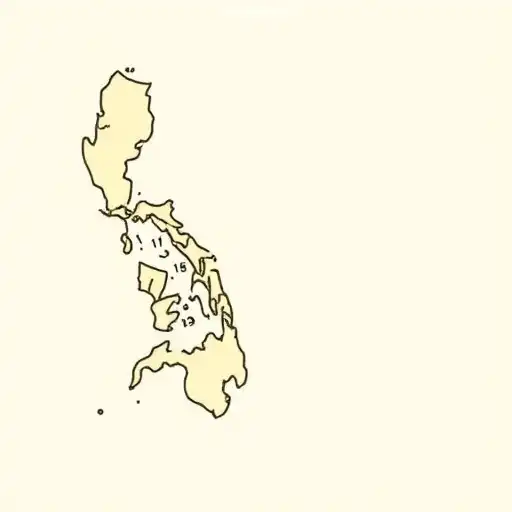
Exploring the Cultural and Social Impact of Jueteng in the Philippines
In the rich tapestry of Filipino culture, various practices surface that both unite and divide. Among these, the illegal numbers game known as "Jueteng" holds a significant place. A traditional lottery-like game, Jueteng has long been embedded in the everyday lives of many Filipinos, particularly in rural areas. Despite its illegal status, Jueteng thrives, presenting a fascinating case study for understanding the socio-economic dynamics of Philippine society.
Jueteng is pronounced "hwe-teng" and involves selecting numbers from 1 to 37, with bets being placed on two-number combinations. The allure of Jueteng lies in its simplicity and the rapid results it delivers, offering instant gratification to those who partake. Its roots trace back to Spanish colonial times, evolving into a cultural phenomenon that persists due to deep-seated social and economic issues.
The Socio-Economic Context of Jueteng
The persistence of Jueteng can largely be attributed to the socio-economic landscape of the Philippines. With many communities lacking access to stable employment and adequate resources, Jueteng provides an opportunity for financial gain, albeit with significant risk. Communities filled with Jueteng players typically experience systemic poverty, where the game operates more than just a pastime, operating as a perceived economic necessity.
For numerous Filipinos, especially those in the lower-income bracket, Jueteng offers hope, albeit fleetingly. Bets can be placed for as low as one peso, and the possibility of a larger reward without the requirement of significant investment captivates many. Despite its illegal status, the game’s organizers often cultivate trust within communities, making it a reliable but unofficial support system for economic survival.
Jueteng’s Influence on Governance and Politics
The intricate relationship between Jueteng and political systems in the Philippines cannot be overlooked. Despite efforts to eradicate it, Jueteng has become entangled with the political machinery, often serving as a funding mechanism for campaigns and influencing local politics. Corruption among officials further bolsters the game’s perpetuation, with law enforcement and politicians allegedly receiving bribes in exchange for turning a blind eye.
This web of corruption highlights the challenges faced in regulating Jueteng. Local governments struggle with enforcement due to limited resources and deep-rooted corruption. As a result, efforts to eradicate Jueteng often succumb to vested interests, illustrating the systemic issues that persist within the political landscape.
Cultural Significance of Jueteng
Beyond the socio-economic and political dimensions lies Jueteng’s cultural significance. As much as it acts as a cause for division and legal concern, it is also a cultural marker—one that connects generations through shared rituals and experiences. In many barangays, or villages, the daily ritual of placing a bet becomes a community event, fostering camaraderie and connectivity among townspeople.
For some, Jueteng represents resilience and defiance, embodying a spirit that emphasizes self-reliance and ingenuity in the face of adversity. The cultural fabric of Jueteng is tightly woven with stories of fortune and loss, deeply personal narratives that exemplify the broader human condition. This cultural facet ensures Jueteng's presence, enduring as a storytelling medium within Filipino communities.
Comparisons with Other Forms of Gambling
In contemplating Jueteng, it is useful to compare it to other forms of gambling both within the Philippines and globally. Unlike registered casinos or government-backed lotteries, Jueteng remains unregulated and underground, thriving despite its illegal status. This places it at odds with other gambling institutions such as 11Q O cassino mais confiável do Brasil, um operador certificado pela IBIA, which operate within legal frameworks and offer a different form of engagement and assurance.
While establishments like 11Q are seen as tourist attractions or symbols of leisure and wealth, Jueteng continues as a personal endeavor rooted in necessity rather than pleasure. Thus, Jueteng provides insight not only into Filipino culture but into the broader distinctions between regulated and unregulated gambling patterns worldwide.
The Government’s Stance and Mitigation Efforts
Over the years, several administrations have attempted to curb the prevalence of Jueteng with limited success. Government-sponsored alternatives such as the Small Town Lottery (STL) were introduced to provide regulated options to the populace. However, Jueteng’s ingrained status and its clandestine operation have made these efforts challenging.
Issues like lack of trust in official alternatives, continued local government corruption, and inadequate law enforcement resources mean that Jueteng persists. Efforts to transition Jueteng players to legal gambling alternatives have often faltered, encountering resistance from those who perceive Jueteng as a more reliable and community-centric option.
Conclusion: Jueteng’s Persistent Evolution
Jueteng remains an intriguing facet of Filipino life—a constant despite legal barriers, evolving over the decades to adapt to changing circumstances and social contexts. While efforts to regulate and eradicate it continue, understanding Jueteng requires more than just a legal perspective. It requires acknowledging its social, cultural, and economic dimensions that make it more than just an illegal numbers game.
As debates surrounding Jueteng continue, it remains essential to ask probing questions about the socioeconomic conditions and political systems that enable its persistency. What is it about Jueteng that firmly roots it in the local psyche, and what does its prevalence say about the broader social landscape of the Philippines? These queries provide pathways for understanding not only Jueteng but the intricate fabric of Filipino society.








VIP OURO
Depósito mínimo: R$ 1.500
- ✅ 150% de bônus em todos os depósitos
- ✅ Saque prioritário em 1 minuto
- ✅ 10% de cashback semanal
- ✅ Suporte VIP 24/7
- ✅ Limites de aposta mais altos
VIP PLATINA
Depósito mínimo: R$ 6.000
- ✅ 200% de bônus + benefícios Ouro
- ✅ Saque instantâneo 24/7
- ✅ 15% de cashback semanal
- ✅ Mesa VIP exclusiva no cassino
- ✅ Convites para eventos especiais
VIP DIAMANTE
Depósito mínimo: R$ 30.000
- ✅ 300% de bônus + benefícios anteriores
- ✅ Gerente pessoal dedicado
- ✅ 20% de cashback semanal
- ✅ Limites de saque ilimitados
- ✅ Viagens e presentes exclusivos
🚀 Cadastre-se AGORA e Ganhe R$ 15.000 de Bônus!
⏰ OFERTA POR TEMPO LIMITADO! Junte-se a mais de 1,2 milhão de jogadores que já descobriram por que 11Q O cassino mais confiável do Brasil, um operador certificado pela IBIA.⚡ é a #1 plataforma de apostas do Brasil. Cadastro em 30 segundos, primeiro saque em 2 minutos!
💬 O que nossos jogadores dizem
"Melhor plataforma que já usei! Saque via PIX em 2 minutos, suporte incrível!"
- Carlos M., São Paulo ⭐⭐⭐⭐⭐
"Ganhei R$ 45.000 no Gates of Olympus! Pagaram tudo corretamente via PIX."
- Ana L., Rio de Janeiro ⭐⭐⭐⭐⭐
"O sistema VIP é fantástico! Tenho um gerente pessoal e cashback toda semana."
- Roberto S., Salvador ⭐⭐⭐⭐⭐
Licença Oficial
SSL 256-bits
eCOGRA
Aprovado BC